Under the Soviet sphere of influence since its liberation in 1945, post-war Czechoslovakia initially operated as a democracy, but gradually, key government ministries came under communist control, culminating in a communist takeover of the government in early 1948. Among other reforms, the new communist regime collectivizes businesses and initiates a campaign against all organized religion—part of a larger plan to limit basic civil, labor, and personal liberties.
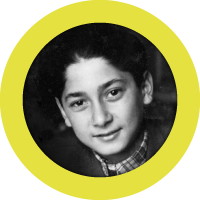
Just days before his thirteenth birthday, Oscar celebrates his bar mitzvah in Košice. Many of his relatives are missing, having perished during the war.
Nazi Germany's High Command unconditionally surrenders on 7 May to the Allies and 9 May to the Soviets. May 8 is proclaimed "Victory in Europe Day."
Under Soviet control since January, the city of Košice becomes the seat of a provisional Czechoslovak government. The Košice Government Program restores the state of Czechoslovakia, aligning it politically and economically with the Soviet Union. Territory ceded to Hungary is restored, so that Košice becomes, once again, part of Czechoslovakia.
With the liberation of the Slovak capitol Nazi control of Slovakia is ended and Tiso’s collaborationist regime is toppled. German forces withdraw into Austria rather than defend the city, which becomes a gateway for the Soviet advance into Austria and southern Germany.