Germany and the Soviet Union negotiate a non-aggression pact. This agreement, often called the Molotov-Ribbentrop pact after its chief negotiators, divides eastern Europe between the Nazi and Soviet powers and results in the partition of Poland.
The "Order for the Exclusion of Jews from German Economic Life" prohibits Jews from owning stores or engaging in any type of commerce with goods or services. Furthermore, Jews are prohibited from managing businesses of any kind and are forced to sell their businesses to Germans.
Kristallnacht--the "Night of Broken Glass"--begins the night of 9 November and continues through the next day throughout Germany, Austria, and the Sudetenland. Nazi leadership plans and coordinates the pogrom, during which more than 1,400 synagogues are burned, Jewish-owned businesses destroyed, and about 30,000 Jews are arrested and deported to concentration camps. The Jewish community is later required to pay "restitution" for the damage caused to their own property. Nazis claim Kristallnacht was a "spontaneous" response to Grynszpan's assassination of vom Rath. In the United States, the Kristallnacht attacks were front-page news. Despite widespread condemnation of the Nazi persecution of Jews, the majority of Americans did not want to welcome Jewish refugees from Europe.
Under the "Order for the Disclosure of Jewish Assets," Jews must register all property valued at over 5,000 Reichsmark. This law sets the stage for the expropriation of Jewish property and possessions.
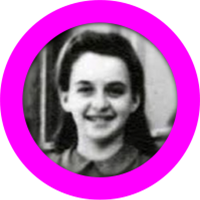
Wolf Koladicki and Sarah Koladicki welcome their first child and give her the name Pola Koladicki. She will later change the spelling of her first name to Paula, and take the name of her husband when she marries.