This number represents 1.7% of the total population of Europe, and accounts for >60% of the world's Jewish population. Most Jews are in eastern Europe: Poland is home to 3.3 million Jews, some 2.5 million Jews live in the USSR, and around 756,000 Jews live in Romania. The Jewish population of the Baltic states of Latvia, Lithuania and Estonia numbers c. 255,000. In central Europe, Germany is home to c. 523,000. Some 445,000 Jews live in Hungary, 357,000 in Czechoslovakia, and 191,000 in Austria. There are also large Jewish communities in Great Britain (300,000), France (250,000, and the Netherlands (156,000). Some 60,000 Jews live in Belgium. The Scandinavian countries are home to c. 16,000 Jews. In the South, the Jewish community in Greece numbers c. 73,000. Yugoslavian Jews number c. 68,000, Italy and Bulgaria each have communities of c. 48,000.
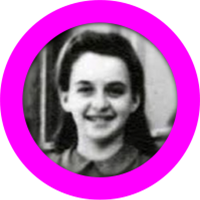
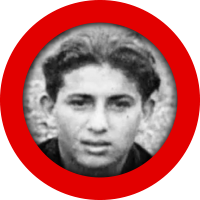
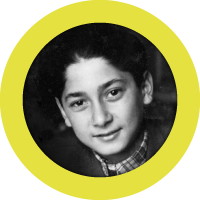
Yakuv Szlama [or Szlomo] Adler (later: Jack Adler) is born to Cemach and Faiga Adler in Pabianice, a small city on the outskirts of Lodz in western Poland.
Beginning in November 1939, Jews residing in wealthier areas of Pabianice are ordered to leave their homes, which are intended for Germans. In February 1940, the Jewish population is condensed into a designated area of the town. Jews are not permitted to leave the ghetto, the perimeter of which is indicated by signs.
Following the Nazi occupation of Poland, territories in the western part of Poland are annexed to Germany. Danzig-West Prussia and Warthegau are incorporated as new provinces of the Reich; the provinces of [glossary_exclude]East Prussia and Silesia[/glossary_exclude] are expanded to incorporate newly gained Polish lands.
Great Britain, France, Germany and Italy conclude an agreement that allows Germany to annex the Sudetenland, a largely German-speaking region then part of Czechoslovakia, in exchange for a peace pledge. British Prime Minister Neville Chamberlain hails the Munich Agreement as an achievement of "peace in our time" but he is criticized for a policy of appeasement. Nazi troops occupy Sudetenland on October 1, and the democratically-elected Czechoslovakian government, which was not party to the negotiation, resigns.